Industrial Oil Cooling
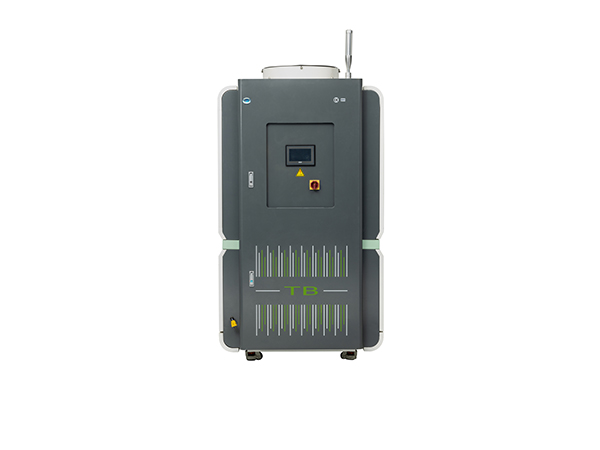
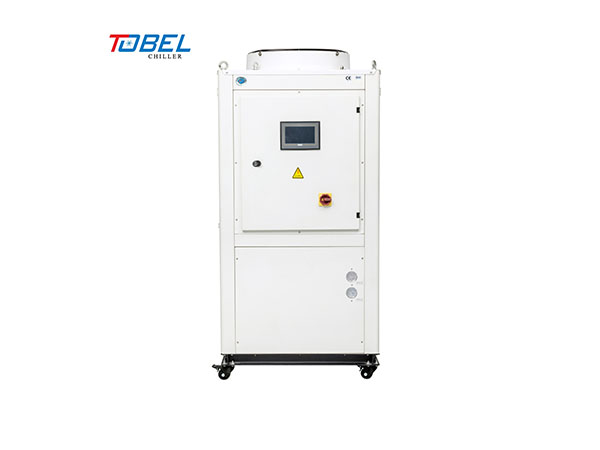
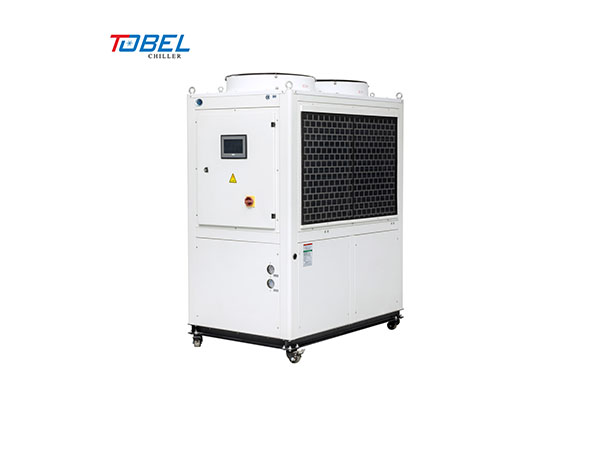
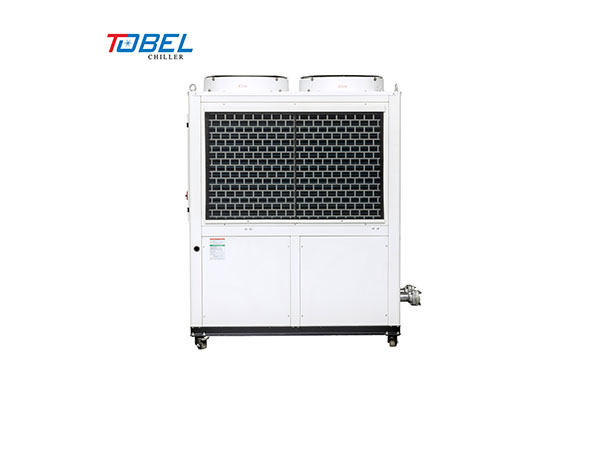
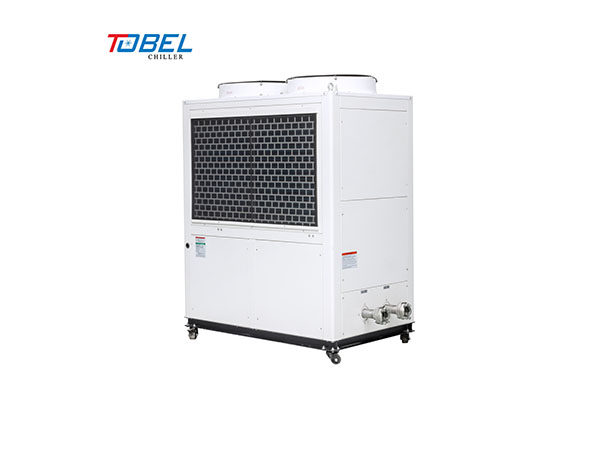
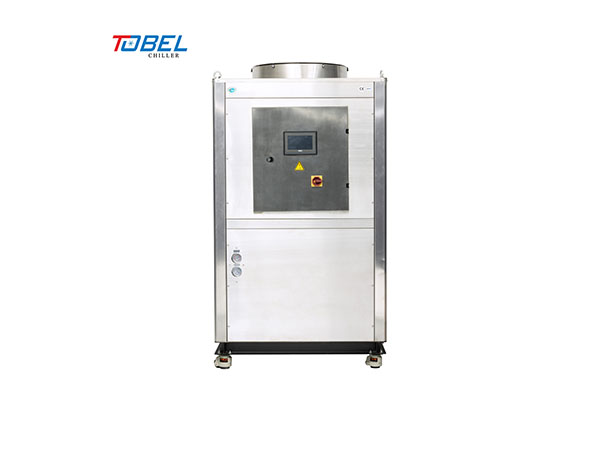
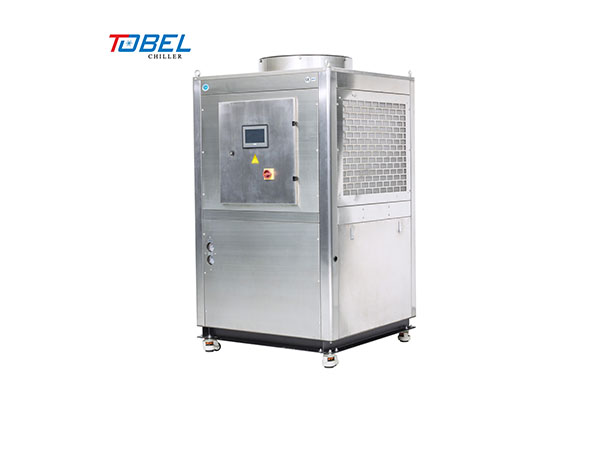
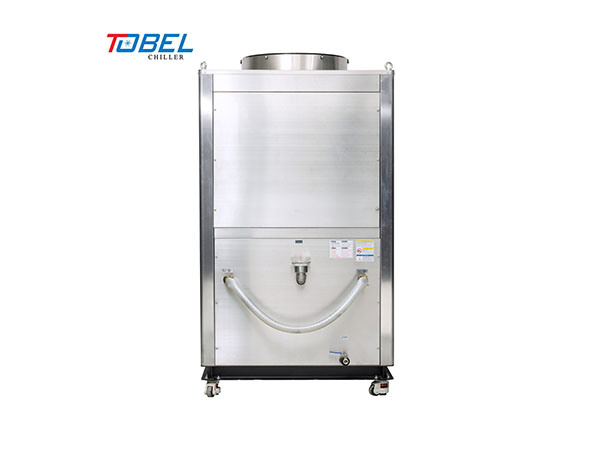
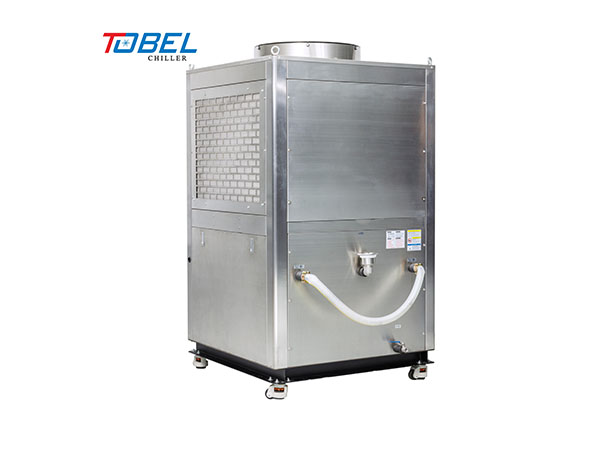
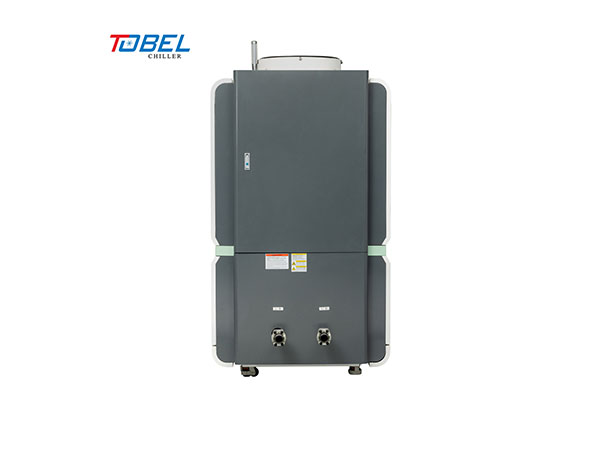
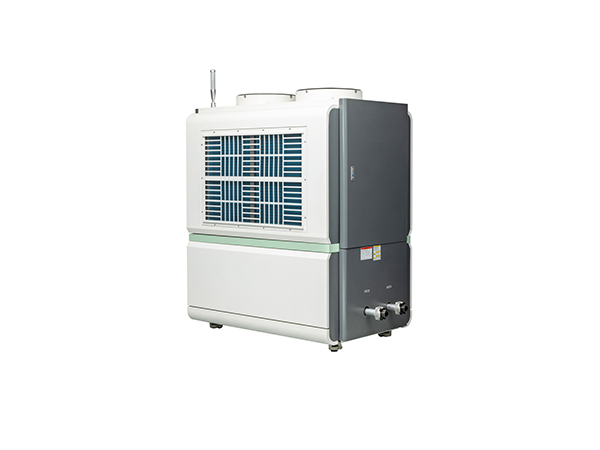
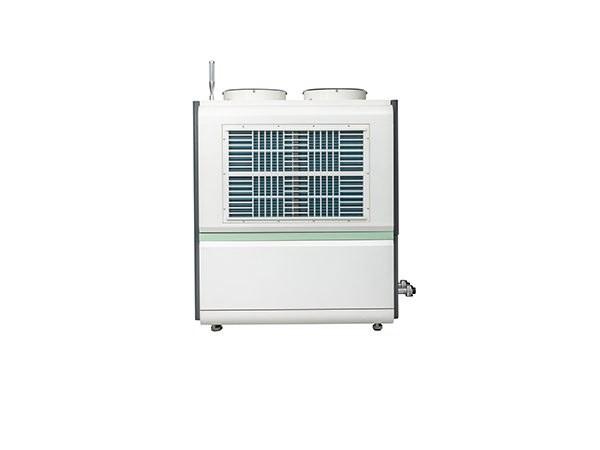
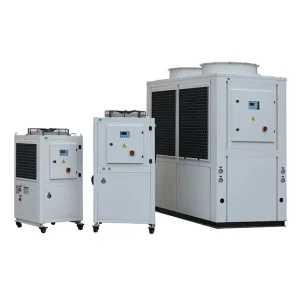
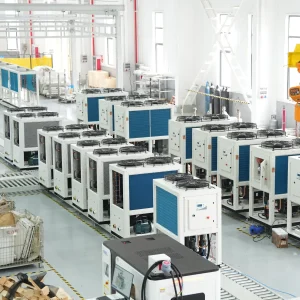
TOBEL self-developed oil chiller utilizes forced air-conditioning cooling to control the oil temperature of mechanical equipment at constant temperature(such as hydraulic oil and lubricating oil).
We focus more on hydraulic system oil cooling ,and the maximun cooling capacity can reach 370KW
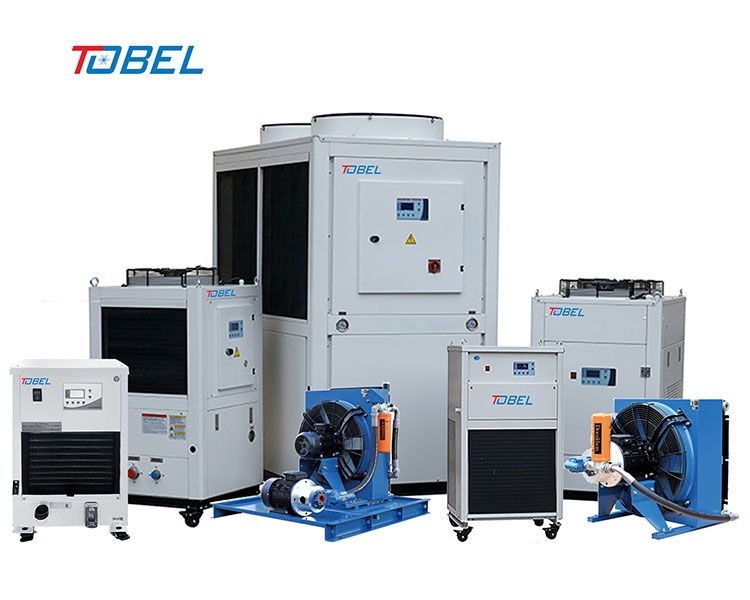
- Model: ACO15-ACO2500
- Cooling Capacity: 2-370KW
- Produet Series: ACO full range (CNC machine tools, hydraulic stations andlubrication stations for various mechanical equipment), HITC-O variablefrequency oil chiller, HACO medium/high temperature oil chiller, TBEXexplosion-proof oil chiller, ACOS immersed cutting Liquid oil chiller.
- Application Scope:CNC machine tool mechanical spindles, low-speed electric spindles,hydraulic stations and lubrication stations for CNC machine tools, hydraulicpresses and various mechanical equipment, processing fluid cooling forclectrical discharge machining cquipment, lubrication and cooling systems for reduction gearboxes, etc.
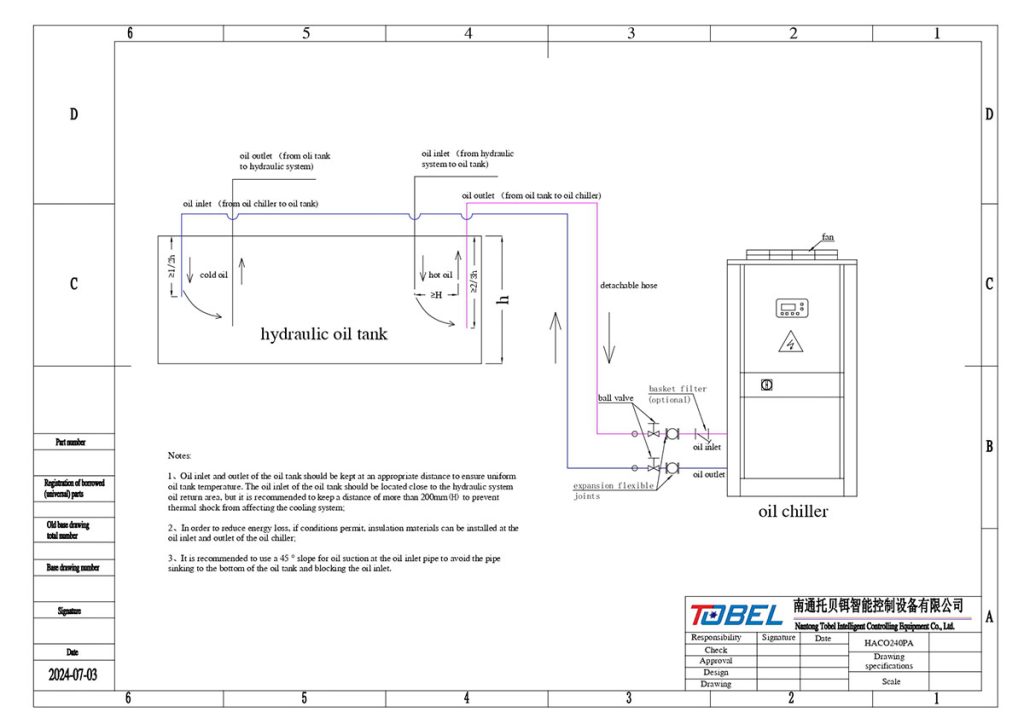
Traditional hydraulic system cooling method Indirect cooling through oil cooler, chiller, heat exchanger, etc.
Professional hydraulic oil coolerDirect connection to cooling equipment
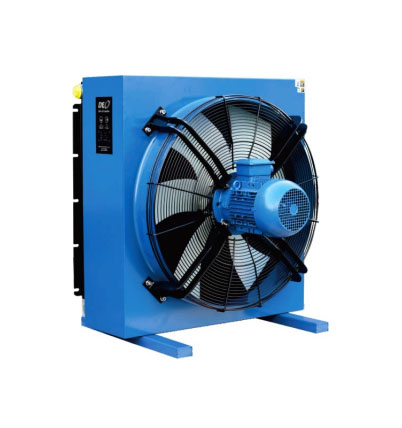
Advantage
- High temperature control precision and fast cooling speed
- Ultra-wide range of applicable working temperatures, not affected by ambient temperature.
- Integrate automatic dust removal, oil filtration, and oilheating functions into one
- No need for coolingwater source, easy to install andsave space
- Lower cost and higher performance-to-price ratio
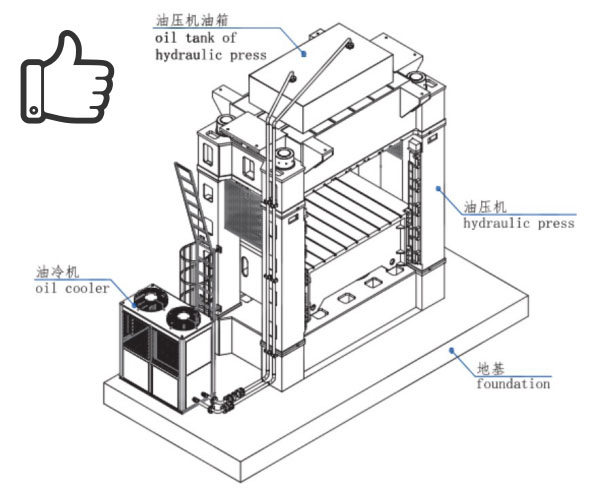
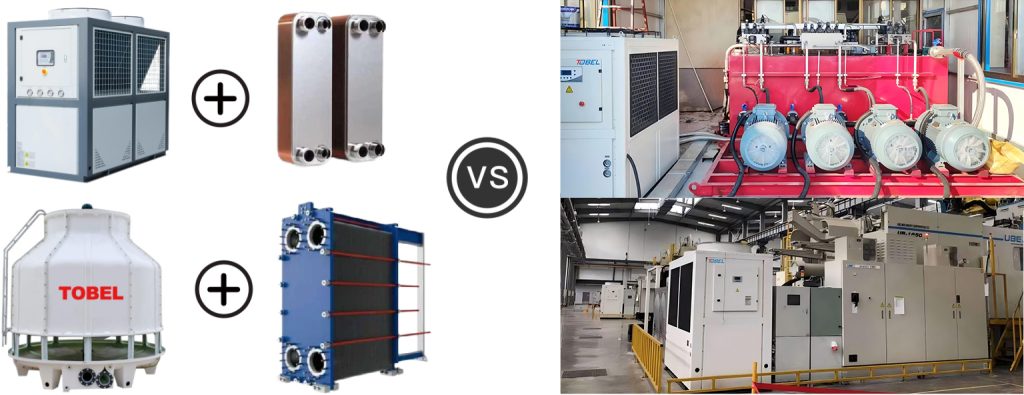
Comparison between direct oil cooling and traditional indirect water cooling
Application Industries
Foundry & Forging
Sanhuan Forging & Pressing Press Brake (LVD Joint Venture)
Foundry & Forging
Hydraulic four-roll plate bending machine
Forging Equipment
Hydraulic Press (Tianduan Heavy Industry 13,500-ton)
Forging Equipment
50,000-ton hydraulic free-forging press (oil cooler with a single-unit cooling capacity of 320,000 kcal/h)
Forging Equipment
Fully hydraulic die forging hammer
Foundry/Die Casting Equipment
Fully hydraulic die forging hammer
Foundry/Die Casting Equipment
Hydraulic System for Large Plate Bending Machine
Foundry/Die Casting Equipment
UBE 1,650-ton large high-pressure die-casting machine for producing large aluminum alloy automotive structural parts.
Foundry/Die Casting Equipment
Vertical molding machine
Applications of Oil Cooling
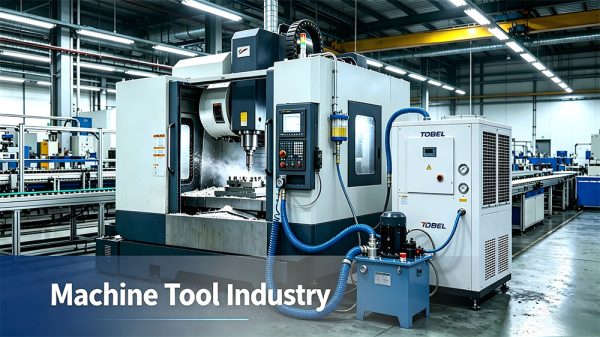
Machine Tool Industry
Suitable for CNC machining centers, CNC lathes, grinders, milling machines and boring machines. It is used for spindle oil cooling and guide rail hydraulic oil cooling, which can effectively inhibit equipment thermal deformation, ensure processing accuracy and extend spindle service life.
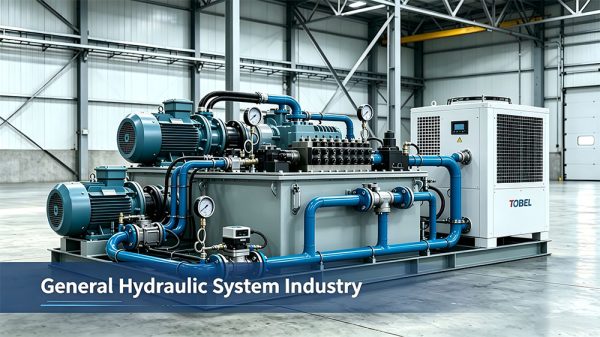
General Hydraulic System Industry
Suitable for various hydraulic stations, large hydraulic presses, injection molding machines, die-casting machines, bending machines and punching machines. It continuously cools hydraulic oil to avoid seal aging, oil pressure fluctuation and unplanned shutdown caused by excessive oil temperature.
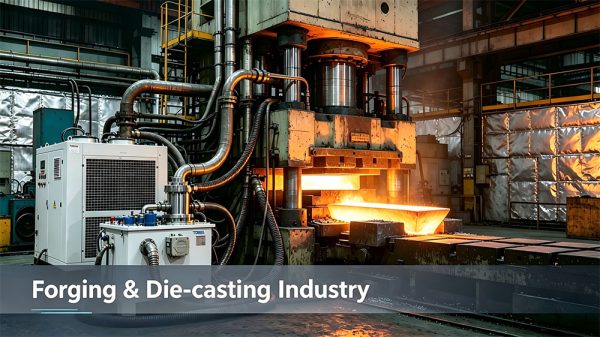
Forging & Die-casting Industry
Suitable for high heat load equipment such as die-casting machines, forging hydraulic presses and extruders. It realizes rapid heat dissipation for high-pressure and large-flow hydraulic oil, adapting to the workshop’s non-stop continuous production conditions.
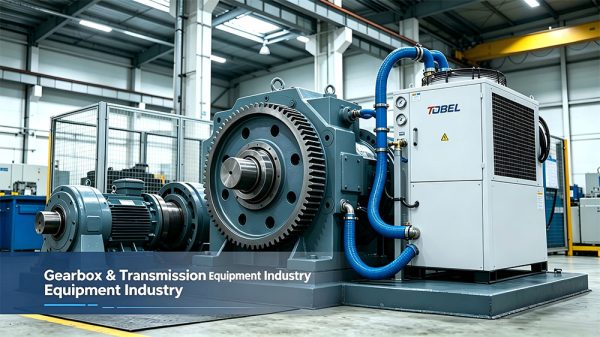
Gearbox & Transmission Equipment Industry
Cooling MRI magnet of MRI machines for best resonance imaging by a cold head component of the MRI machine.
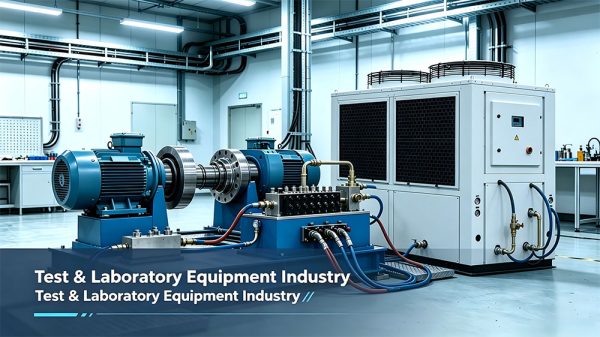
Test & Laboratory Equipment Industry
Suitable for various experimental equipment such as hydraulic test benches, fatigue testing machines and power testing machines. It realizes precise constant temperature of oil liquid under test conditions and ensures accurate test data.
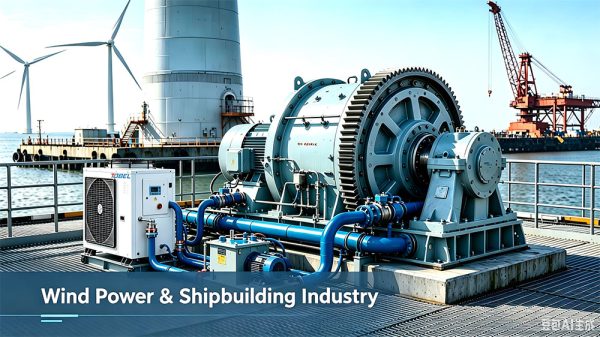
Wind Power & Shipbuilding Industry
Applied to ship deck hydraulic systems and wind turbine gearboxes, it provides stable cooling for lubricating oil of heavy industrial equipment and adapts to outdoor and high-load operating environments.
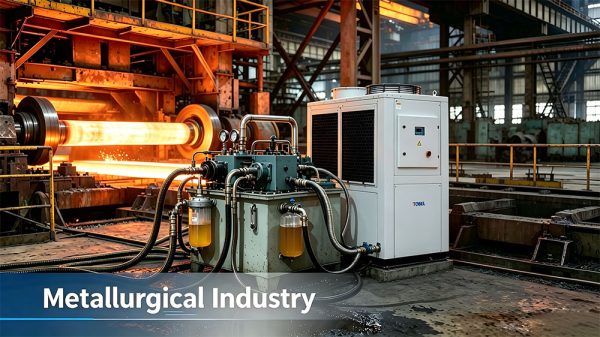
Metallurgical Industry
Suitable for metallurgical equipment such as steel rolling mills, continuous casting machines, blast furnace auxiliary hydraulic stations, thin oil lubrication stations and rolling mill gearboxes. It cools rolling oil, hydraulic oil and equipment lubricating oil, adapts to harsh workshop environments with high temperature and much dust, and ensures 24-hour continuous operation of metallurgical production lines.
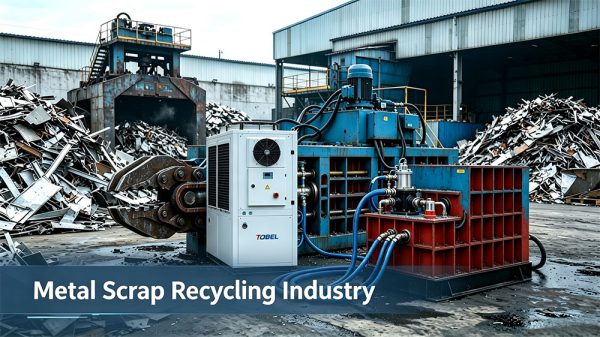
Metal Scrap Recycling Industry
Suitable for hydraulic stations of scrap steel gantry shears, metal crushers, metal balers, briquetting machines and scrap metal shearing equipment. For equipment working conditions of heavy load, high impact and long-time operation, it forcibly cools high-pressure hydraulic oil, eliminates sharp rise of oil temperature, and reduces seal loss and equipment failure rate.
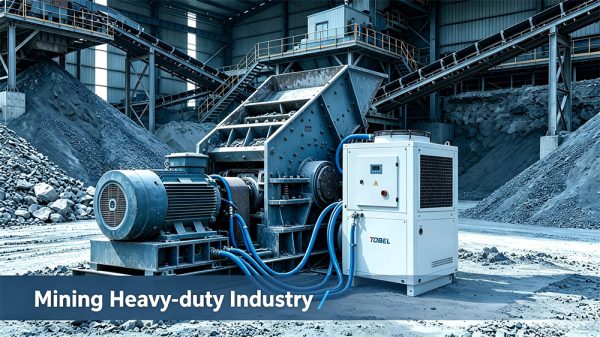
Mining Heavy-duty Industry
Suitable for mine hydraulic stations, ore crushing equipment and mineral processing equipment. It continuously dissipates heat for the oil liquid of equipment lubrication system to ensure stable and long-term operation of mine heavy-duty equipment.
What is an Oil Cooling?
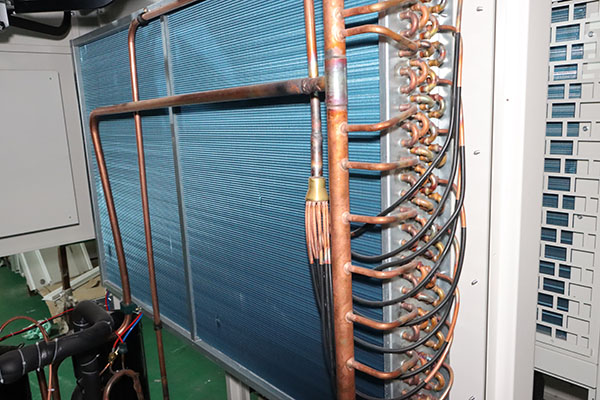
TOBEL air cooled chiller uses ambient air as the cooling medium and dissipates the heat generated by the system into the atmosphere through its own equipped fans and condensers. Therefore, it does not rely on an additional cooling water system.
Our air cooled chiller has a simple structure and is easy to install. It operates for cooling only with ambient air, achieving remarkable energy-saving effects. Its energy efficiency is usually lower than that of water-cooled units that require cooling towers.
Working Principle of Oil Cooling
- Step 1: After the refrigerant absorbs the heat of cold water in the evaporator, it turns into low-temperature and low-pressure steam. Then it enters the compressor and is compressed into high-temperature and high-pressure steam.
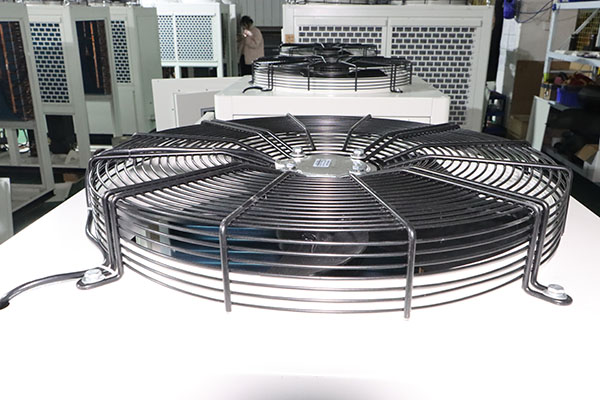
- Step 2: When the high-temperature and high-pressure refrigerant vapor enters the condenser, the fan forces the ambient air to flow through the condenser coil, taking away the heat of the refrigerant, causing it to cool and condense into a high-pressure, normal-temperature liquid.
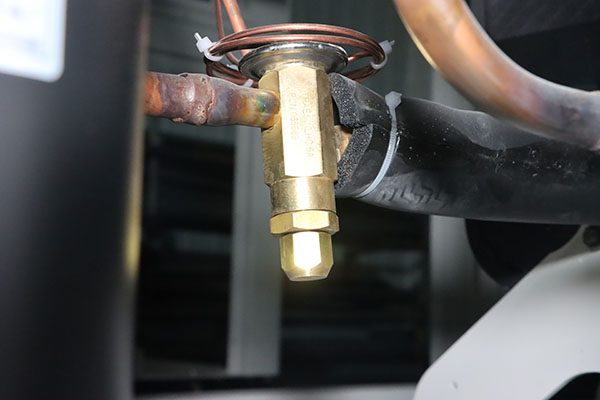
- Step 3: Subsequently, the high-pressure liquid refrigerant flows through the expansion valve, and its pressure and temperature drop sharply.
- Step 4: The low-temperature and low-pressure refrigerant wet vapor enters the evaporator, absorbs the heat of the cold water flowing through the evaporator, and evaporates into gas, thereby cooling the cold water. The cooled cold water is then transported by water pumps to various places that need refrigeration, forming a repetitive cycle process.
How to Choose the Right Oil Cooling?
Clarify Your Needs
You must precisely determine your cooling requirements through professional cooling load calculation and reserve approximately 10% to 20% of the design margin on this basis to ensure that our air cooled chillers can meet your cooling needs under different working conditions and avoid energy efficiency losses caused by improper capacity.
Evaluate the Environment
You need to investigate the ventilation conditions and extreme temperatures at the installation site. It is essential to ensure that the air cooled chiller has sufficient intake and exhaust space to prevent air flow short circuits. In addition, you need to verify its cooling capacity based on the local maximum ambient temperature to ensure that it can still operate stably under extreme weather conditions.
Examine Energy Efficiency and Noise
After meeting your cooling capacity requirements, you should give priority to choosing air cooled chillers with high comprehensive energy efficiency to achieve energy conservation. At the same time, for projects installed in noise-sensitive areas, you must strictly check the noise index of the chiller and select low-noise models or take corresponding sound insulation measures.
Select Configuration
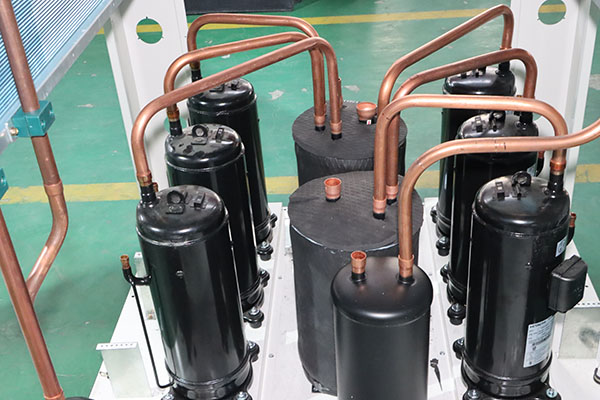
Select the appropriate compressor type based on your required cooling capacity and operational characteristics, and pay attention to the energy regulation range of the air cooled chiller to enhance energy efficiency at partial loads. In addition, you also need to consider whether you have a large enough space to accommodate outdoor installation and whether there is an appropriate power connection.
We offer modular designed water chillers. You can easily expand the cooling capacity by paralleling multiple devices. In addition, from standard models to custom models with large cooling capacity, we have a complete product line and can find the most suitable solution for you.
Our product line employs high-efficiency scroll compressors and variable-frequency fans, which can save over 30% of energy compared to traditional fixed-frequency machines, significantly reducing your long-term operating costs.